
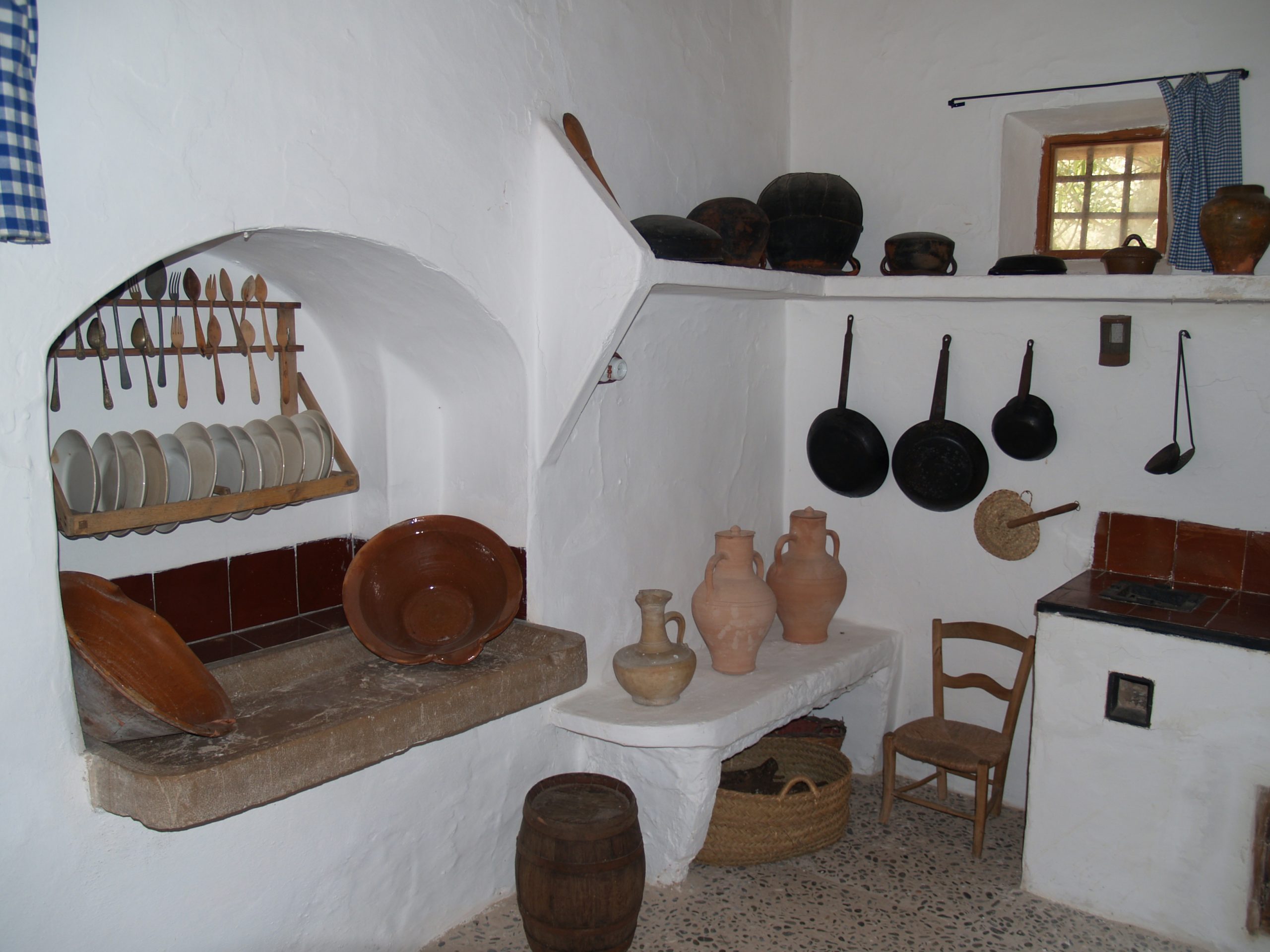
Mallorcan cuisine, known for its richness and diversity, is the result of a culinary history
spanning centuries of cultural influences and local adaptations. From the Roman era to the present day, Mallorca's gastronomy has evolved by incorporating ingredients and techniques from various civilizations, creating a unique cuisine that reflects the essence of the island. This historical journey shows how Mallorcan cuisine has become what it is today: a culinary heritage of authentic flavors and tradition.
Early and Roman Influences
The history of Mallorcan cuisine begins with the island's earliest inhabitants, who based their diet on local products such as cereals, legumes, meat, and fish. The arrival of the Romans in the 2nd century BC marked an important turning point. The Romans introduced the cultivation of vines and olive trees, elements that would become pillars of Mallorcan gastronomy. They also brought new agricultural techniques and food preservation methods, such as using salt to preserve fish.
Arab Influence
The Arab conquest in the 10th century left a deep mark on Mallorcan cuisine. The Arabs introduced rice, sugarcane, almonds, and a variety of fruits and spices that enriched the local diet. They also brought advanced irrigation techniques, which allowed for greater agricultural development. Dishes such as frito mallorquín and the use of spices in cooking have their roots in this period of Islamic rule.
Catalan Conquest and the Middle Ages
In the 13th century, the conquest of Mallorca by King James I of Aragon brought a new wave of Catalan culinary influences. During the Middle Ages, Mallorcan cuisine was characterized by a combination of local ingredients and techniques brought by the new settlers. Traditional dishes such as sopes mallorquines, which used simple ingredients like bread, vegetables, and occasionally meat, were consolidated.
Early Modern Period and Renaissance
The early modern period saw the consolidation of many recipes that are now considered traditional. During this time, Mallorcan cuisine continued to evolve, incorporating ingredients from the New World, such as tomatoes, peppers, and potatoes, which arrived in Europe after Christopher Columbus's voyages. These new ingredients naturally integrated into the local gastronomy, giving rise to dishes like tumbet, a mix of vegetables reminiscent of ratatouille.
19th and 20th Centuries: Transformations and Modernization
The 19th century brought significant changes due to industrialization and modernization. Food production expanded and diversified, and Mallorcan cuisine began experimenting with new recipes and techniques. Sobrasada, a pork sausage seasoned with paprika, became a symbol of the island's gastronomy.
In the 20th century, with the advent of tourism, Mallorcan cuisine opened up to the world. Visitors' demand to experience local culture spurred a revitalization of traditional recipes. Local products and ancestral culinary techniques began to be more valued, leading to a renaissance of Mallorcan cuisine.
Contemporary Cuisine: Tradition and Innovation
Today, Mallorcan cuisine is a harmonious blend of tradition and innovation. Local chefs have preserved traditional recipes while experimenting with new techniques and presentations. High-end restaurants in Mallorca have gained international recognition, taking the island's flavors to new heights.
Conclusion
The history of Mallorcan cuisine is a reflection of the island's rich cultural heritage. Each stage of its evolution has contributed something unique, from the earliest inhabitants and the Romans, through the Arabs and Catalans, to the modern and contemporary eras. This culinary legacy is not only a testament to the adaptability and creativity of the Mallorcans but also a celebration of the diversity and richness of their land. Mallorcan gastronomy continues to evolve, always keeping one foot in tradition and the other in innovation, offering locals and visitors alike a culinary experience that is both a journey through time and flavors.