
My name is Maxim Bezek, and I am a 3rd year student in the Economics at Šolski center Srečka Kosovela Sežana, where, in November 20th, I had the opportunity to present the FOODCARE project.
The expert Karin Callipo, one of the people involved in the project, was invited by our school and came from Spain to share her knowledge and experience with us.
In today’s fast-paced world, the connection between nutrition and emotional well-being is becoming increasingly important. While the physical benefits of healthy eating are widely recognized, the strong influence food has on our mental and emotional health is often underestimated. What we eat affects our mood, stress levels, concentration, and even our long-term emotional resilience. Through the FOODCARE project, I learned how healthy eating supports emotional balance and strengthens the connection between mind and body.
One of the most interesting concepts I discovered is the gut–brain connection. The gut is often called the “second brain” because it communicates directly with the central nervous system. A healthy gut contributes to better emotional stability, as a large percentage of serotonin—the chemical responsible for feelings of happiness and calm - is produced there. Eating foods rich in fiber, probiotics, fruits, and vegetables helps maintain a balanced gut microbiome, which in turn supports a more stable and positive mood.
Nutrition also plays a key role in supplying the brain with essential nutrients that influence emotional health. A balanced diet that includes healthy fats, vitamins, and minerals supports brain function, reduces stress, and helps maintain emotional stability. When the body receives the nutrients it needs, the mind functions more clearly, and emotions are easier to manage.
Another important aspect of emotional well-being is the way we eat, not just what we eat. Maintaining regular meals and eating mindfully helps keep energy levels stable throughout the day and prevents emotional ups and downs. When we eat with awareness and routine, we reduce stress and build a healthier relationship with food.
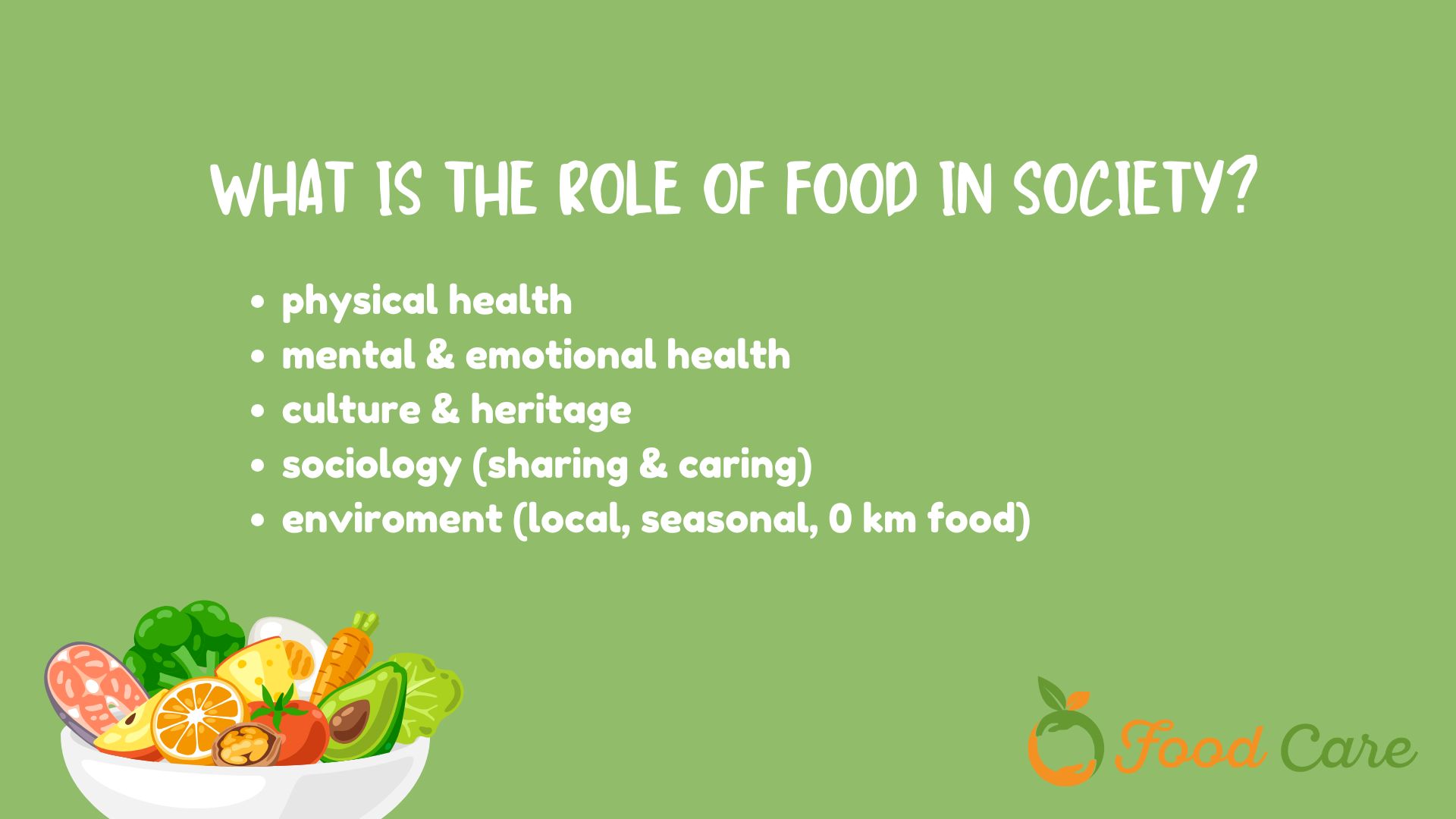
Food also has a strong social and emotional dimension. Sharing meals with family and friends strengthens relationships, provides emotional support, and reduces feelings of loneliness. Traditional meals and shared food moments create comfort, reinforce cultural identity, and offer a sense of belonging, all of which contribute to emotional stability and well-being.
Through this project, I also learned that small daily choices can have a big impact. Eating more fruits and vegetables, drinking enough water, limiting processed foods, and cooking at home more often can significantly improve both physical and emotional health. Balanced meals help us feel satisfied, focused, and emotionally grounded.
In conclusion, healthy eating plays a powerful role in emotional well-being. By choosing nutritious foods, maintaining regular eating habits, and sharing meals with others, we can improve our mood, reduce stress, and support a healthier connection between mind and body. Good nutrition is one of the simplest and most effective ways to maintain emotional balance and live a happier life.
I would like to sincerely thank everyone involved for giving me the opportunity to participate in this experience. It was an honour to be included, and I truly appreciate the chance to expand my knowledge and contribute in a meaningful way through the FOODCARE project.